This article was written and provided by Winston-Salem RC Club Member Isaac Anderson.
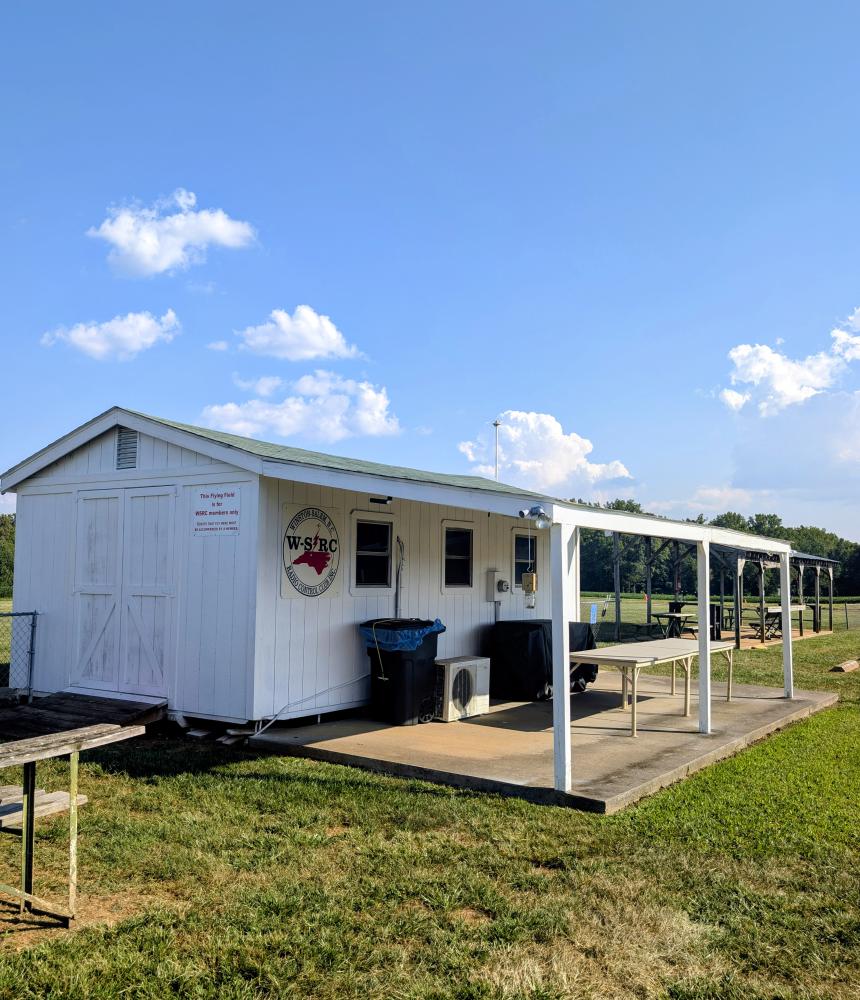
Standing under the shade shelter off Phillips Lane in Mocksville, North Carolina, members of the Winston-Salem RC Club adjust the brims of their hats and watch a custom-built, gas-powered Extra 300 trace graceful loops against the clear Blue Ridge horizon. Though the gentle hum of engines and shared laughter defined the weekend routine, the club's members were growing increasingly mindful of a different kind of responsibility—the rural location of their flying field meant medical help wouldn't arrive in seconds if a critical emergency ever struck. This quiet concern turned into action when the club's leadership prioritized medical safety and decided to equip the clubhouse with a lifesaving automated external defibrillator (AED).
The urgency driving their decision wasn't merely a passing worry; it was rooted in a sobering national reality. Every year, more than 350,000 Americans experience an out-of-hospital cardiac arrest, a devastating event where the odds of survival plummet with every single minute spent waiting for an ambulance. For a club operating in a rural stretch of the county, time was their most formidable enemy. The club's leadership understood that when bystanders immediately intervened with CPR and an AED, a victim's chance of survival could double or even triple. Nationwide, everyday people step up to use these accessible defibrillators. Paramedics save an estimated 1,700 lives each year, pushing survival rates for shockable cardiac events up to nearly 67%.
Securing the necessary funds became remarkably easy and straightforward thanks to the Academy of Model Aeronautics (AMA), the AMA Foundation, and the Al Kanser AED Save A Life Grant. This grant is designed specifically to encourage chartered clubs to upgrade their flying fields with lifesaving AED equipment. The grant utilizes a standardized application process that eliminated traditional administrative hurdles. By providing reimbursement covering 25% of the purchase price (up to a $200 maximum allowance), the AMA and AMA Foundation's grant directly offset the financial burden on the Winston-Salem RC Club. The grant's contribution meant that the club didn't have to absorb the full financial strain or rely solely on member dues, turning a major safety purchase into a manageable investment for the local modeling community.
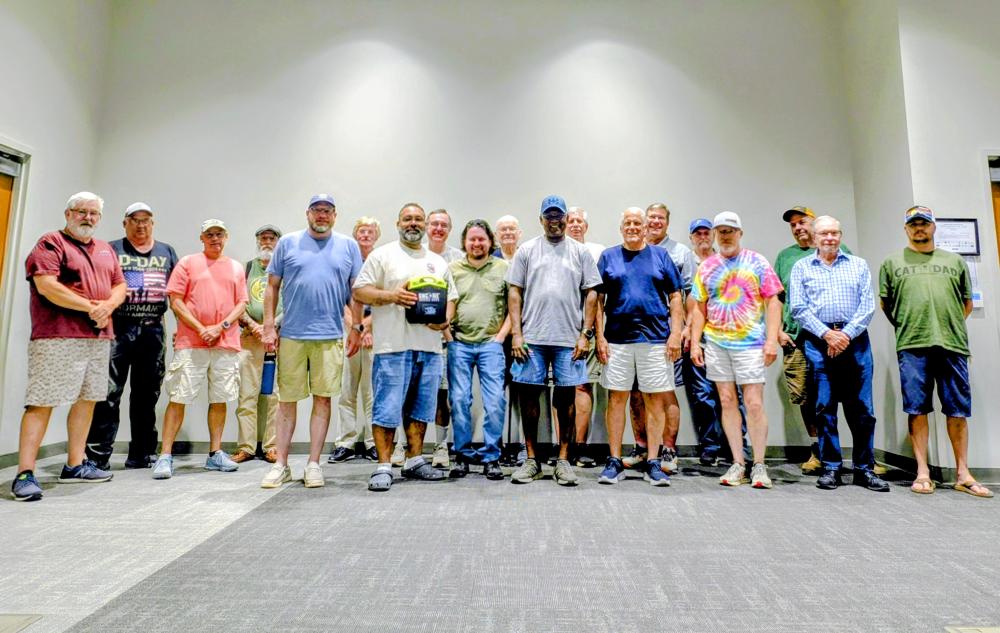
Securing the equipment was only the first step, as club leadership recognized that a lifesaving tool is only as effective as the hands operating it. To ensure complete readiness, the Winston-Salem RC Club went the extra mile by arranging for several key club members and safety officers to complete formal functionality training in basic life support and proper first aid application. Now alongside the essential preflight checklists and transmitter checks, a core team on the field knows precisely how to deliver high-quality CPR and operate the defibrillator without hesitation.
The Winston-Salem RC Club extends its deepest gratitude to AMA and the AMA Foundation for establishing this grant. We encourage flying clubs across the nation to make their club members' medical safety a top priority, knowing it can be done without facing overwhelming financial obstacles. By integrating lifesaving medical readiness into our safety programs, the club has transformed its flying field into far more than just a place to fly model aircraft. It has established a community where pilots of all ages can pursue their passion with greater medical peace of mind.