This write-up was provided by Champaign County Radio Control Club (CCRCC) President Bill Spencer.
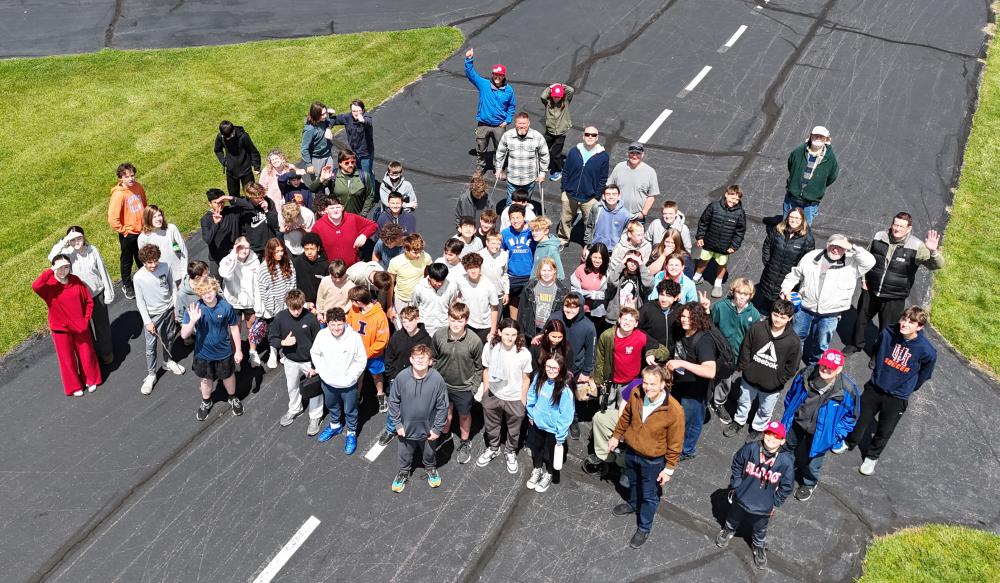
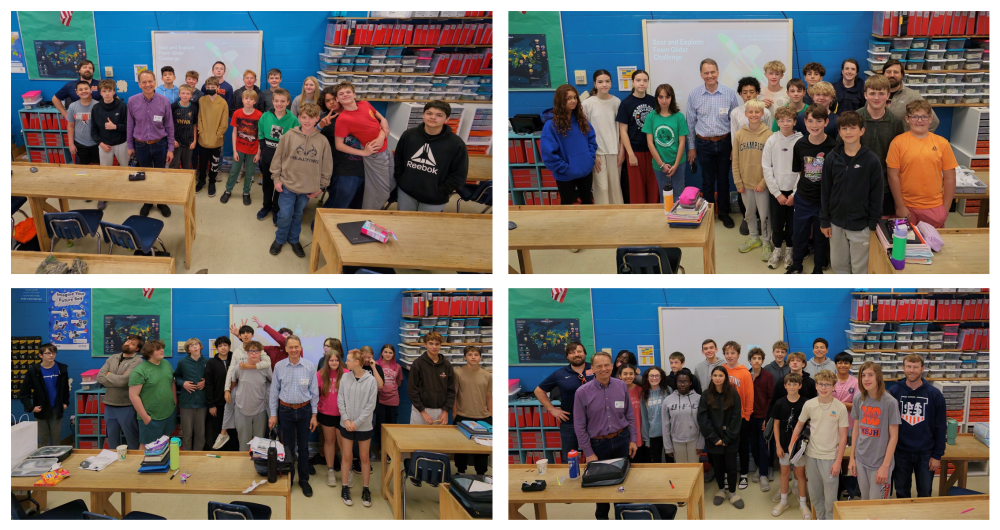
The sound of electric motors and the sight of aircraft lifting into the sky replaced the usual classroom setting on Wednesday, May 6. In a strong example of community outreach, 61 students and two teachers from Mahomet-Seymour Junior High's (MSJH) STEAM program visited the CCRCC flying field for an engaging, hands-on introduction to RC aviation.
Foundations of Flight
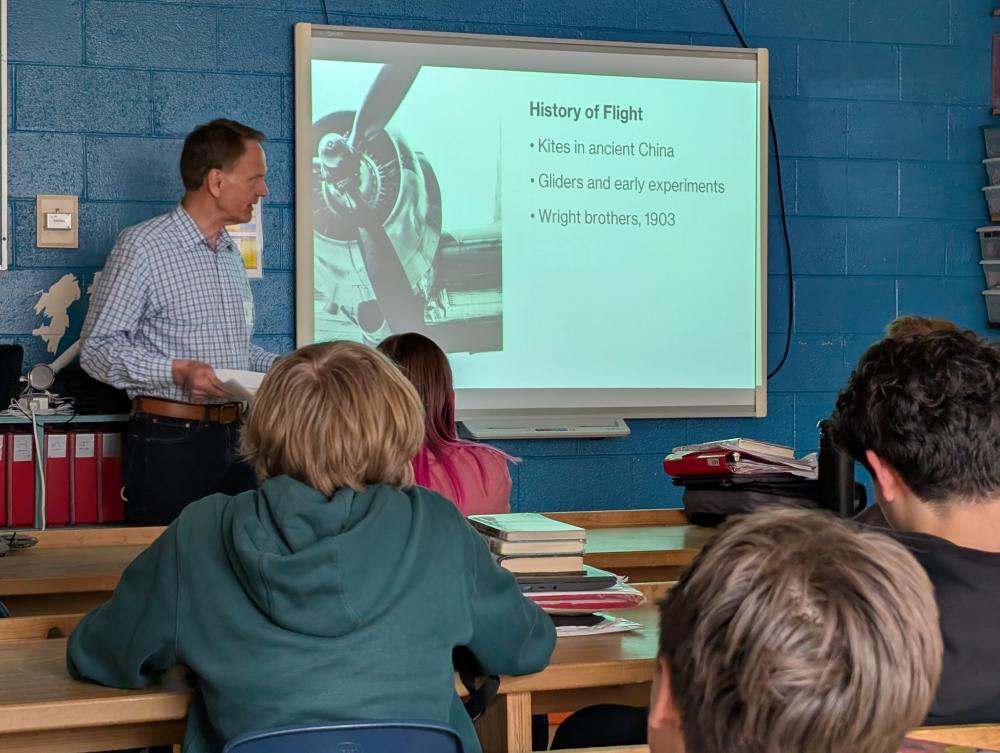
The field visit was the second phase of a program that began the previous week in the classroom. CCRCC members visited MSJH to deliver presentations on aviation and the principles of flight, helping students understand the basic physics of lift, weight, thrust, and drag that keep an aircraft aloft. To reinforce these concepts, students built FPG-9 gliders, giving them a hands-on preview of the aerodynamics they would soon observe in action at the flying field.
The Flightline Experience
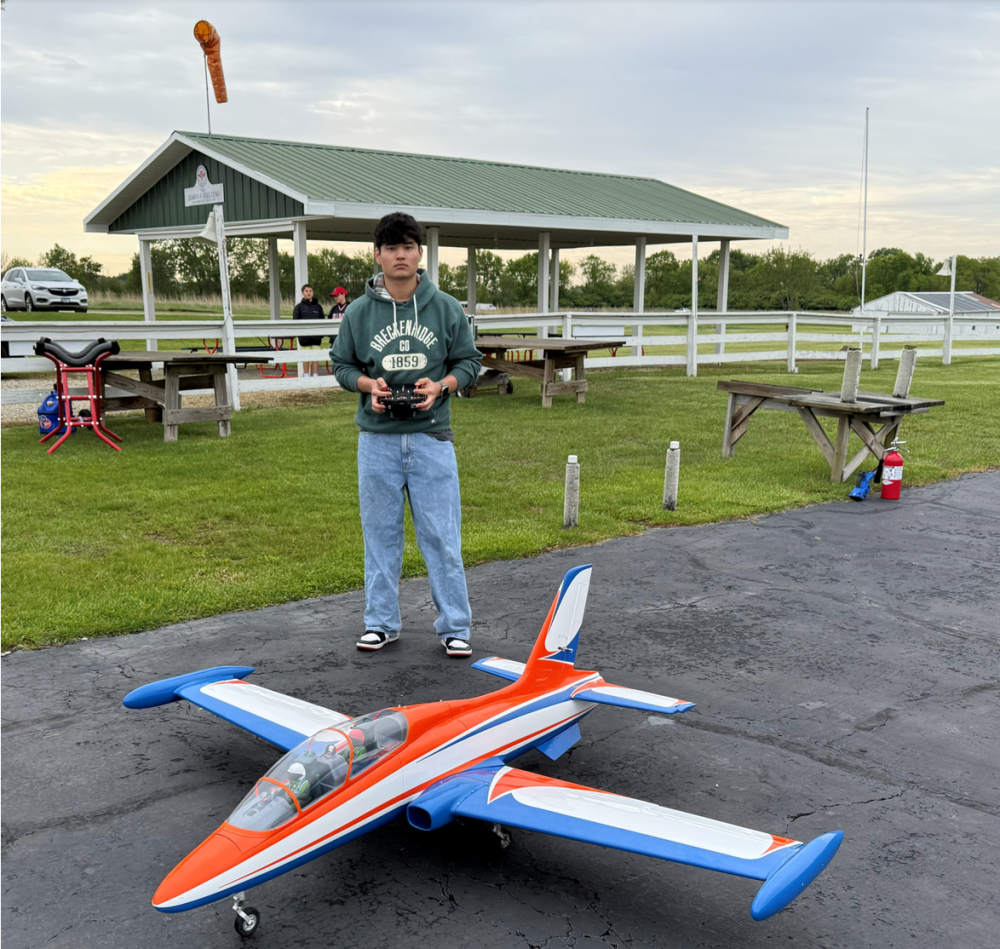
By 9:00 a.m. on the day of the visit, the students were ready to experience the hobby firsthand. The morning began with a showcase of the diverse technology within RC aviation, led by several of the club's talented young pilots:
- Oliver Lei flew a HobbyZone AeroScout that he had custom-converted to EDF, or Electric Ducted Fan, power.
- Josef Henrichs demonstrated the high-speed precision of an E-flite 90mm Viper.
- Kaleb Spencer thrilled the crowd with the roar of a Hangar 9 MB-339 turbine jet.
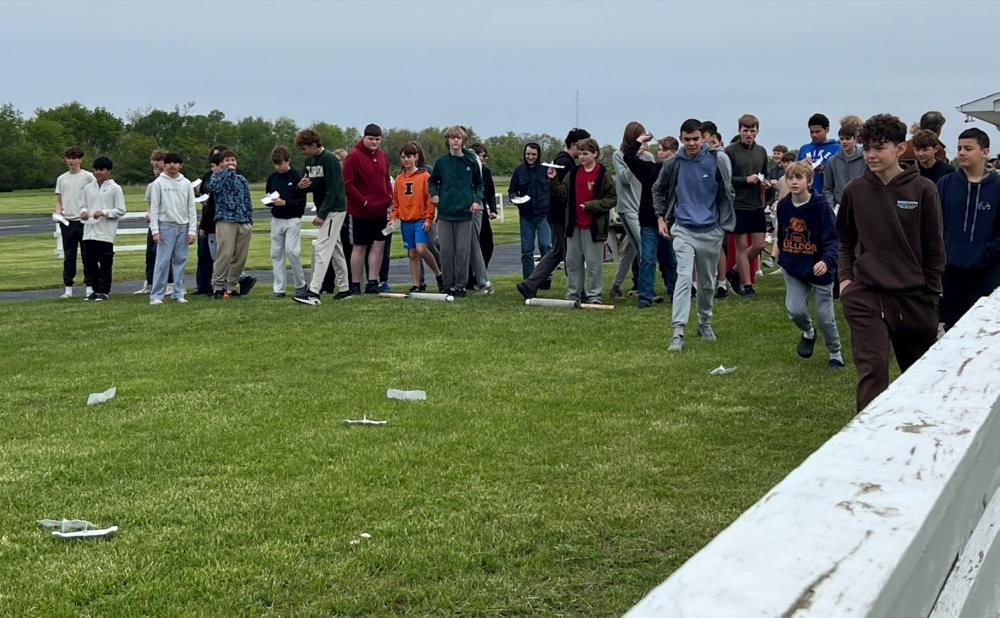
Following the demonstrations, the students held a distance competition with the FPG-9 gliders they had built the week before. The competition was fierce, ending in a three-way tie for the longest flight, with each student reaching an impressive 55 feet.
Bridging Physics and Engineering
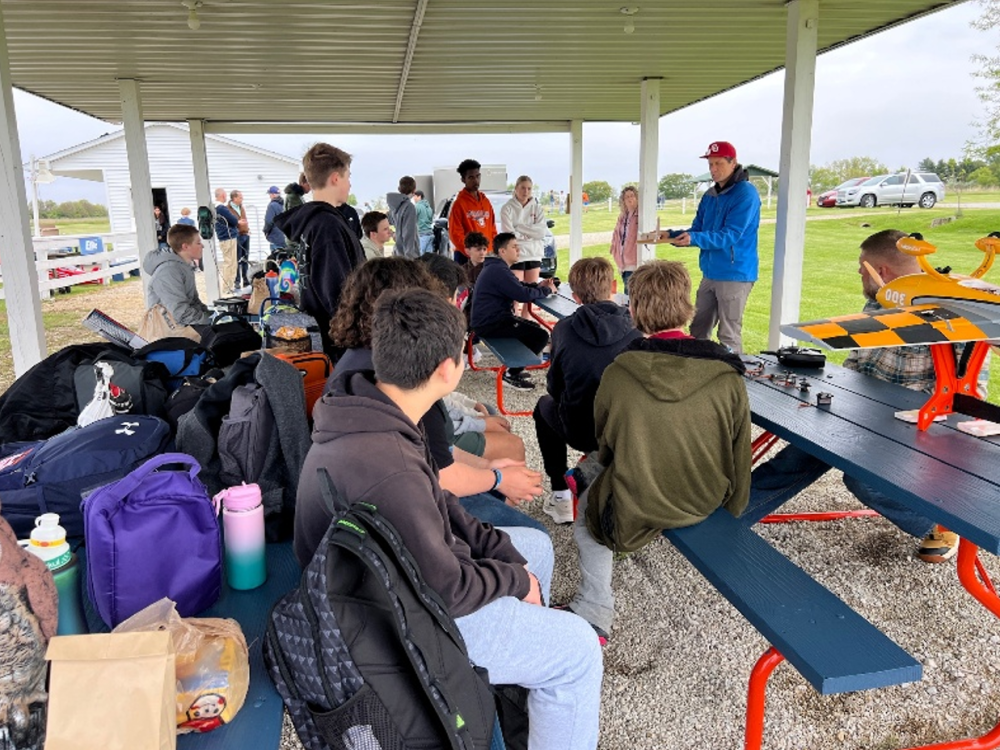
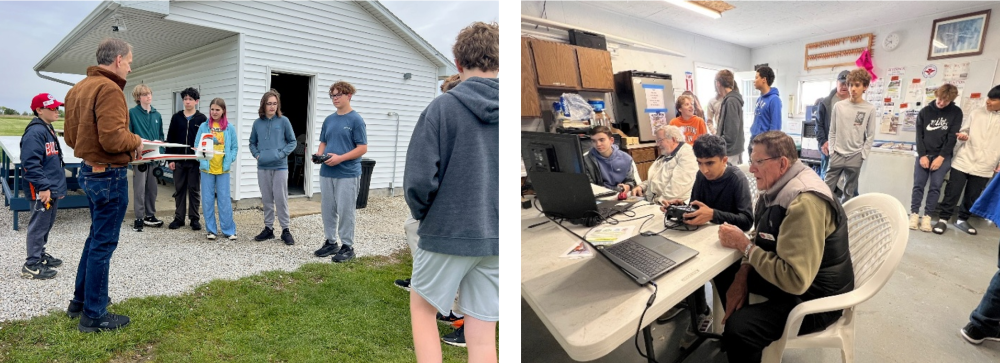
The program was designed to connect classroom theory with real-world engineering. Before taking to the air, students rotated through ground school, simulator instruction, and a station focused on the inner workings of an RC airplane.
At this "innards" station, CCRCC members showed students the "nervous system" of an RC airplane. Students examined servos, receivers, electronic speed controllers (ESCs), motors, and batteries. This gave them the chance to see how a signal from a transmitter translates into the precise movement of a control surface and how these interconnected systems produce controlled, stable flight.
From Simulator to Sky
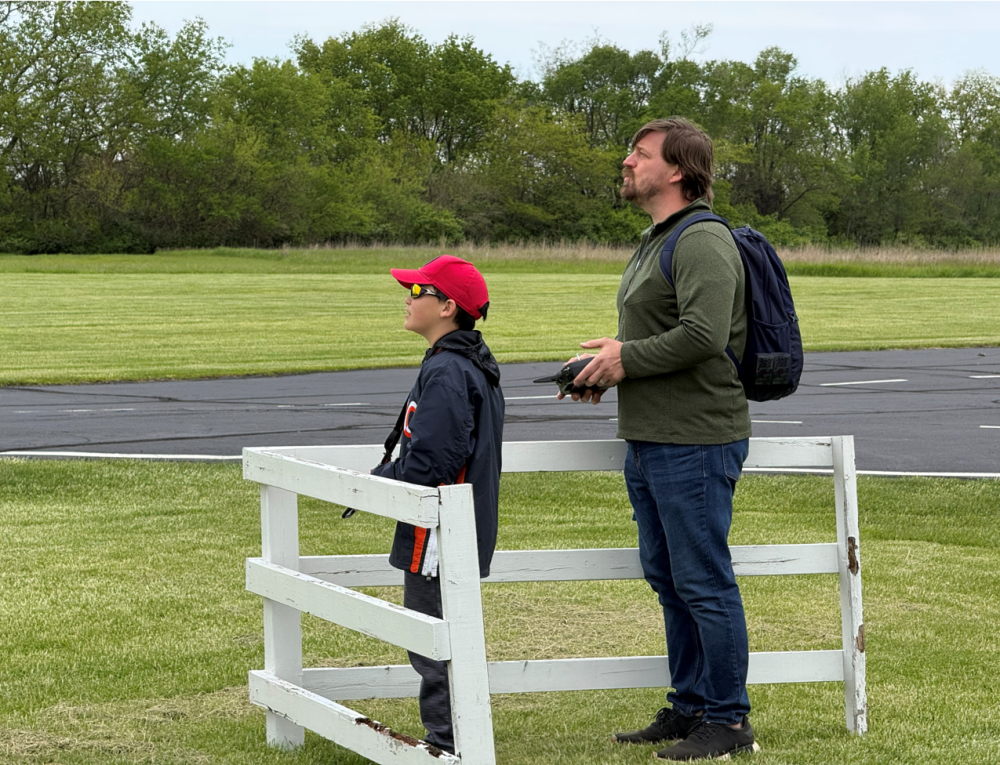
After practicing on the RealFlight simulator, students "graduated" to the flightline. Using buddy-box systems, CCRCC instructors provided one-on-one flight experiences, allowing students to take controls of trainer aircraft while an experienced pilot remained ready to assist.
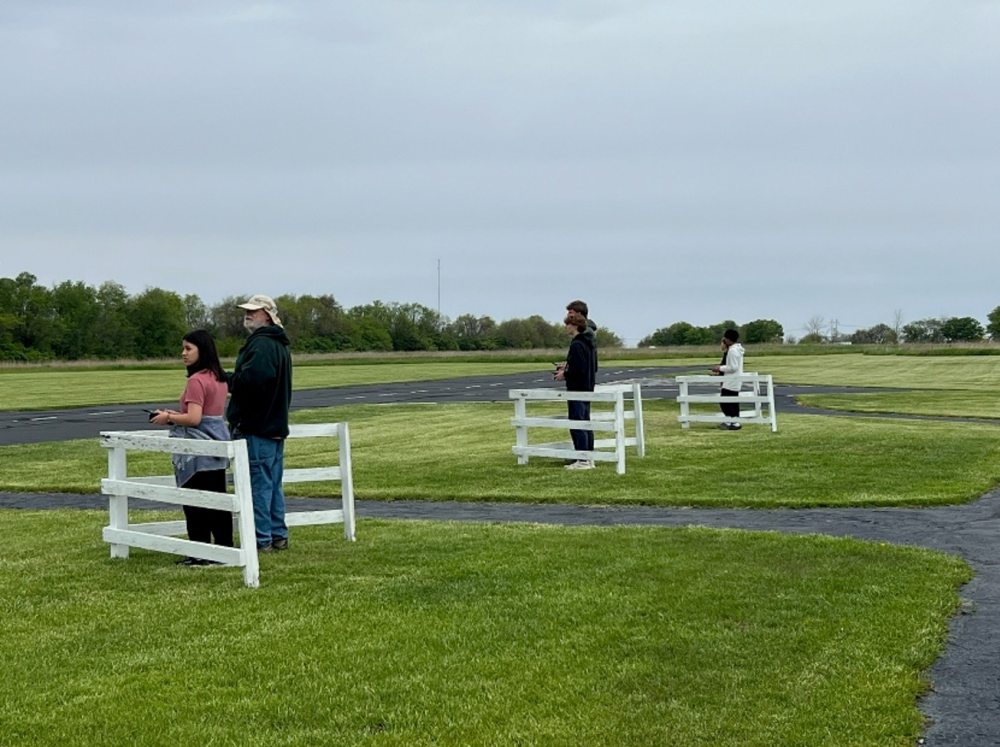
A standout moment of the day occurred when Mr. Anderson, one of the MSJH teachers, took a turn on the buddy-box system. His instructor was 11-year-old Oliver Lei, who displayed remarkable confidence as he guided his teacher through the maneuvers. It was a perfect illustration of the mentorship and age-blind enthusiasm that make RC aviation such a unique and inclusive hobby.
Looking Toward the Future
After a busy morning of flying, the students enjoyed a sack lunch at the field. The day concluded with a raffle featuring prizes provided by the Academy of Model Aeronautics (AMA) and the AMA Foundation, whose support helped reward the students' curiosity and participation.
The response was overwhelmingly positive. Mr. Anderson praised the program's educational value and confirmed that the school is already making plans to return next year. The momentum continues for CCRCC, with additional school outreach underway. A planned field visit for Next Generation School has been rescheduled for the beginning of the next school year because of weather.
CCRCC firmly believes that many of these students will be back at the field soon, perhaps first with their families at one of our Thursday night training sessions, and eventually as club members and excellent RC pilots in their own right. That possibility is what makes outreach events like this so rewarding.
CCRCC extends its sincere thanks to AMA, the AMA Foundation, the teachers, and the club volunteers who dedicated their time, equipment, and passion to this event. By sharing the excitement of flight with the next generation, CCRCC is doing more than teaching a hobby. It is helping inspire the aviators, engineers, and makers of tomorrow.